Rubbish clearance Holloway Road station Highbury pickups
Posted on 06/06/2026
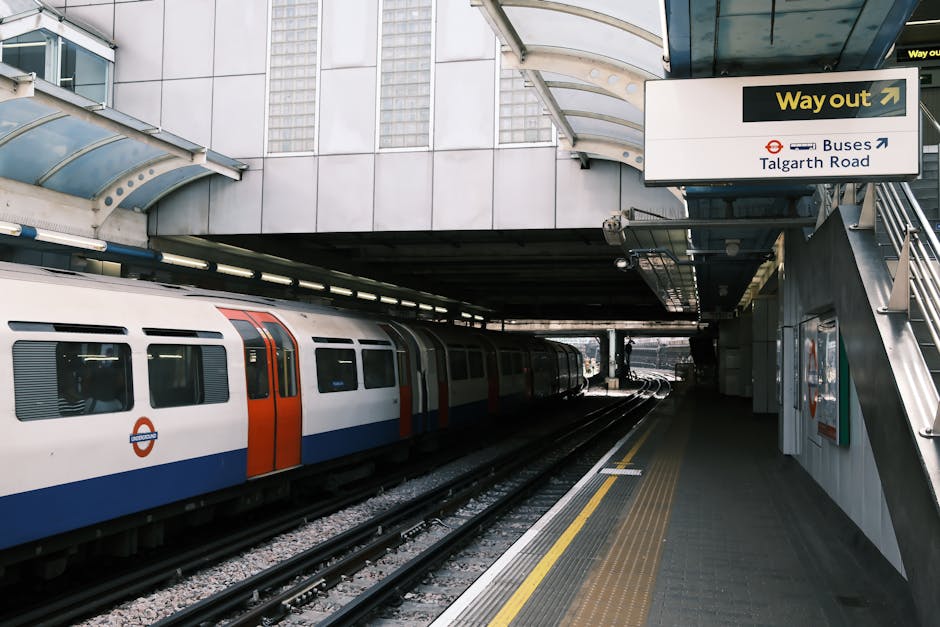
Rubbish clearance Holloway Road station Highbury pickups: a practical local guide
If you are trying to arrange rubbish clearance Holloway Road station Highbury pickups, the chances are you want something simple: a pickup that fits around your day, clears the space properly, and does not create more hassle than the mess you started with. Fair enough. Around Holloway Road station and the wider Highbury area, that often means tight streets, busy footfall, flats with stairs, and the usual London problem of not having time to stand around waiting for a collection window that keeps shifting.
This guide breaks down how local rubbish pickups work, what to expect, what to check before you book, and how to avoid the small mistakes that turn a quick clear-out into an annoying weekend project. Whether you are clearing a flat near the station, emptying a basement store, or dealing with mixed household waste after a move, the aim is the same: get it gone safely, legally, and without drama.
- Why this matters in Holloway Road and Highbury
- How the pickup process works
- Key benefits and practical advantages
- Who it is for and when it makes sense
- Step-by-step guidance
- Expert tips for better results
- Common mistakes to avoid
- Tools, resources and recommendations
- Law, compliance, standards and best practice
- Options and comparison table
- Case study or real-world example
- Practical checklist
- Conclusion
- Frequently asked questions
Why Rubbish clearance Holloway Road station Highbury pickups Matters
Pickups around Holloway Road station are not just another generic rubbish job. The location matters. You are dealing with a busy North London corridor, residential side streets, period conversions, student lets, offices, shops, and homes where access can be awkward even on a good day. Add in narrow parking options and time-sensitive schedules, and you can see why local knowledge makes a difference.
For Highbury pickups, the practical value is straightforward: less waiting, fewer missed collections, and a cleaner handover of the space. That is especially useful if you are a landlord, tenant, homeowner, or local business trying to clear items quickly before a viewing, repair, renewal, or move. In our experience, the biggest frustration is not the waste itself. It is the delay. And the delay is usually what causes stress.
There is also a wider environmental point. When rubbish is sorted properly, more of it can be directed into reuse or recycling streams instead of being treated as one big mixed load. If sustainability matters to you, it should matter to the operator too. You can read more about that approach in the site's recycling and sustainability guidance.
Key takeaway: a good local pickup is not just about removing waste. It is about making the clearance fit the realities of Holloway Road station and Highbury: access, timing, building type, and the need to keep life moving.
How Rubbish clearance Holloway Road station Highbury pickups Works
Most local rubbish pickups follow a fairly simple pattern, though the details vary depending on the amount and type of waste. The basic flow is usually: tell the provider what you have, agree the timing, prepare the items for access, and let the team load and remove everything in one visit if possible. Nice and neat, ideally.
A proper pickup service should start with a clear description of the load. That might include furniture, bagged waste, old appliances, builders' debris, garden cuttings, or mixed household clutter. If you can share photos, even better. Photos reduce guesswork, and guesswork is what leads to awkward surprises at the kerbside.
On the day, the team should arrive with the right vehicle and enough labour to handle the job efficiently. For Highbury properties, that can mean carrying items down stairs, moving through communal hallways, or navigating access from a rear mews or side entrance. A team that understands local access constraints will usually work faster and with less disruption.
For some jobs, one pickup is enough. For others, especially larger clearances, the job may be split by item type or load size. If you are dealing with a full-property clearance, it may be worth reading about house clearance in Highbury or, for workplace spaces, office clearance options so you can match the service to the job rather than forcing a one-size-fits-all approach.
What usually happens during a pickup
- You describe the rubbish and share access details.
- The provider advises on timing, labour, and vehicle needs.
- The team arrives and confirms the load before starting.
- Items are removed carefully, with extra care for stairways and shared areas.
- The waste is taken away for sorting, reuse, recycling, or disposal.
That sounds straightforward because, mostly, it is. But the smooth jobs are usually the ones that were planned well. The slightly messy ones? They nearly always start with vague descriptions and poor access notes. Funny how that works.
Key Benefits and Practical Advantages
There are several reasons why local pickups make sense, especially around a station area where people are busy and space is limited. The first benefit is speed. If you need clutter removed before a move, an inspection, a new tenant, or a renovation start date, the right team can save you a lot of back-and-forth.
The second is convenience. You do not have to hire a skip, find somewhere to place it, or worry about keeping it secure for days on end. In a dense urban area, that can be a real relief. There is also the obvious benefit of having someone else handle the lifting. Anyone who has tried to move a broken wardrobe down two flights of stairs knows this is not a trivial point.
Another advantage is flexibility. Local pickup services often work better for mixed loads than bin collections or one-off council arrangements, especially when your items are awkward, bulky, or not suitable for ordinary waste streams. If your waste is mostly mixed domestic clutter, you may find the broader waste removal in Highbury service useful as a wider option.
Finally, there is peace of mind. A reputable provider should carry out the work with appropriate care, insurance awareness, and sensible loading practices. If you want to understand what that should look like in practice, the page on insurance and safety is worth a look.
| Benefit | Why it matters near Holloway Road station | Best for |
|---|---|---|
| Fast turnaround | Helps with busy schedules, moves, and time-sensitive clear-outs | Tenants, landlords, agents, homeowners |
| No skip permit hassle | Useful where road space is tight and parking is limited | Flats, terraces, mixed-use buildings |
| Labour included | Important for stairs, shared access, and bulky items | Households and businesses with heavy waste |
| Better sorting | Supports reuse and recycling where appropriate | Eco-conscious customers and larger mixed loads |
Who This Is For and When It Makes Sense
This kind of pickup is useful for a surprisingly wide range of people. You might think it is only for big clear-outs, but not really. Small jobs can be just as annoying when they get in the way of your day.
It makes sense if you are:
- moving out of a flat near Holloway Road station
- preparing a property for sale or letting
- clearing out a loft, cellar, or storage room
- disposing of furniture after a refurbishment
- handling office clutter, old desks, or packaging waste
- dealing with garden waste after a tidy-up
- getting rid of builders' debris after light works
It also makes sense if you simply want your space back. That sounds obvious, but a lot of people leave rubbish sitting for months because the job feels bigger than it is. Then one day the hallway starts to feel cramped, or the spare room becomes a dumping ground, and suddenly it is all you can think about. Been there, honestly.
If your project is more specific, you may want to explore garden waste removal in Highbury or builders' waste disposal in Highbury rather than treating everything as a standard mixed pickup.
Step-by-Step Guidance
Here is the cleanest way to approach a local rubbish pickup without overcomplicating it.
- List what needs removing. Write down the items, rough quantity, and whether anything is heavy, sharp, fragile, or awkward.
- Check access. Note stairs, lifts, narrow halls, parking limits, time restrictions, and whether there is rear access.
- Group similar items. Separate general waste, furniture, electricals, and recyclable materials where you can.
- Share clear photos. This helps the provider judge the load properly and avoids back-and-forth.
- Confirm what is included. Ask whether loading, labour, and disposal are covered in the quote.
- Prepare the area. Make routes clear, protect floors if needed, and keep pets or children away during the pickup.
- Walk through the collection with the team. Confirm the items before they start. It is a small step, but useful.
- Ask for responsible handling. If items can be reused or recycled, that should be considered where practical.
One helpful habit: leave yourself a buffer. If you think the pickup will take half an hour, plan for an hour. The extra time is not wasted; it just gives you breathing room if the building is awkward or the lift is playing up, which, let's face it, happens.
Expert Tips for Better Results
There are a few small decisions that make a disproportionate difference to how smooth the pickup feels. First, be precise about volume. A few black bags is one thing; a room full of mixed items is another. The more exact you are, the better the estimate and the less likely you are to feel squeezed on the day.
Second, separate the obvious recycling items if you can do so without making the job more complicated. Cardboard, metals, clean timber, and certain reusable items may be easier to sort when they are not buried under everything else. That said, do not turn the prep into a second unpaid job. Keep it sensible.
Third, think about timing. Mid-morning can be easier than the school-run rush or late afternoon foot traffic, particularly around a station. Early collections sometimes work well for flats because corridors are quieter. But if you are not a morning person, that is fair enough too. Better to book a time you can actually manage.
Fourth, if the work is part of a bigger property change, link it to the next stage. For example, if you are preparing to sell or rent, a tidy clearance often goes hand in hand with property presentation. The site's article on buying or selling property in Highbury and the broader piece on Highbury property considerations show how clearance can support a smoother transition.
And finally, do not underestimate the value of plain communication. A clear message with a few photos is often better than a long explanation with no useful detail. Strange but true.

Common Mistakes to Avoid
People usually do not get rubbish clearance wrong in dramatic ways. It is more often small, avoidable errors that create the headache.
- Being vague about the waste. "Just a bit of rubbish" can mean almost anything.
- Ignoring access issues. A team cannot guess that the lift is out or the street is blocked.
- Mixing restricted items with general waste. Some items need special handling.
- Leaving everything until the last minute. That usually makes the job more expensive or less flexible.
- Assuming every provider sorts waste the same way. They do not.
- Choosing only on price. Cheap is fine until the service is sloppy or incomplete.
One common trap in London is underestimating the local logistics. The waste itself might be modest, but the building layout can turn a quick job into a tough one. If you are on a top floor with no lift, for instance, mention it early. It sounds minor. It is not minor.
Tools, Resources and Recommendations
You do not need a lot of fancy equipment for a good pickup, but a few simple tools help. A phone camera is probably the most useful one. Clear photos of the items and the access route are often enough for a provider to make a realistic plan.
Other useful things to have ready include:
- bin bags or boxes for loose items
- tape or labels for separating recyclables
- basic floor protection for narrow hallways
- a quick notes list of what is staying and what is going
- contact details for whoever will meet the team on arrival
If you are not sure which service type fits your situation, the services overview is a useful starting point because it helps you compare clearance needs without overthinking it. For pricing expectations, the pricing and quotes page can help frame the conversation in a practical way.
For readers who want a broader sense of the company and its approach, the about us page is also a sensible background read.
Law, Compliance, Standards, or Best Practice
Rubbish removal in the UK is one of those things that seems simple until you get into the details. As a customer, you do not need to become an expert in waste law, but it is wise to understand a few basics.
First, waste should be handled by a provider that can dispose of it responsibly and lawfully. If someone offers a suspiciously cheap pickup and cannot explain where the waste goes, that is a red flag. You do not want your rubbish ending up as somebody else's fly-tipping problem. Nobody needs that headache.
Second, certain materials may need special care. Electrical items, sharp materials, and some building waste should be handled carefully and separated where appropriate. If you are clearing after works, you may find the dedicated builders' waste disposal page more relevant than a general collection.
Third, safety and access matter. A responsible team should work without causing unnecessary damage to walls, floors, shared hallways, or neighbouring property. That is not just courtesy; it is good practice. For further reassurance, review the site's insurance and safety information.
Fourth, data and privacy can matter more than people expect, especially for offices and clear-outs involving paperwork. If you are clearing business waste or files, make sure sensitive material is handled properly. The privacy and policy pages on the site set out the broader terms around how information is managed: privacy policy and terms and conditions.
Best-practice rule of thumb: choose the provider that is clear about process, careful with access, and willing to explain how the load will be handled. Simple, but it saves trouble.
Options, Methods, or Comparison Table
There are a few ways to handle waste around Holloway Road station and Highbury. The best option depends on how much you have, how quickly it needs to go, and how much lifting you are willing to do yourself.
| Method | Best for | Pros | Trade-offs |
|---|---|---|---|
| Professional pickup | Mixed loads, bulky items, time-sensitive jobs | Convenient, quick, labour included | Usually costs more than self-haul |
| Skip hire | Longer projects with steady waste generation | Good for ongoing renovations | Space, permit, and loading considerations |
| Self-transport to a facility | Small loads and those with suitable vehicles | Can be economical if you have the means | Time, effort, fuel, and loading work fall on you |
| Specialist clearance | House, office, garden, or builders' waste | More tailored to the job | Less flexible if your waste type is mixed |
To be fair, most people near Holloway Road station do best with a professional pickup when the waste is bulky or the access is awkward. If it is just a handful of bagged items and you have a vehicle, another route may work. The point is to choose the method that makes the least mess of your day.
Case Study or Real-World Example
Imagine a Highbury flat close to Holloway Road station after a long tenancy. The main room has a disassembled bed frame, two broken chairs, several black bags, a small bookcase, and a couple of boxes of mixed household bits that never found a home. The stairwell is narrow, the parking space is limited, and the tenant needs the place cleared before a handover the next morning.
In a situation like that, the most efficient approach is usually a pre-booked pickup with a clear item list and photos. The team can plan for the stair access, bring the right labour, and remove everything in one visit if the load is described accurately. The client avoids hiring a skip they cannot place, and the building avoids having loose items sitting around in a communal area overnight. Simple, tidy, done.
A similar pattern comes up with landlords preparing for a refurbishment or office managers clearing old furniture. A good local service is less about dramatic "big clearances" and more about removing friction. You notice the difference most when the job would have taken you three separate trips, a borrowed van, and a mild backache. The rubbish disappears, but so does the stress. That part matters.
Practical Checklist
Use this checklist before you book a pickup:
- Make a list of the items to be removed.
- Take clear photos of the waste and access route.
- Note stairs, lifts, parking limits, and any time restrictions.
- Separate anything obviously recyclable if easy to do so.
- Check whether any items need special handling.
- Confirm what the quote includes.
- Choose a time when you can be present or arrange access clearly.
- Protect floors or corners if the route is tight.
- Keep the area clear for loading.
- Ask how the waste will be sorted after collection.
Practical summary: the best rubbish clearance is the one that matches the waste type, the building access, and your timeline. If those three line up, the whole job feels easier. If they do not, you will feel it pretty quickly.

Conclusion
Rubbish clearance Holloway Road station Highbury pickups are at their best when they are planned around the local reality: busy streets, awkward access, mixed property types, and the need to get things done without losing half a day to logistics. A good pickup should feel calm, efficient, and suitably boring in the best possible way.
If you take anything from this guide, let it be this: describe the waste clearly, check access honestly, and choose a service that treats sorting, safety, and timing as part of the job rather than afterthoughts. That is how you avoid the usual mess of guesswork and delays.
Get a free quote today and see how much you can save.
And once the clutter is gone, the room always feels a little lighter. Sometimes that is all you need to get the next thing moving.

From a young age, Blair has cultivated a passion for order, which has now matured into a prosperous profession as a waste removal specialist. She derives satisfaction from transforming disorderly spaces into practical ones, aiding clients in conquering the burden of clutter.
 Tipper Van - Rubbish Collection and Rubbish Clearance Prices in Highbury, N5
 Luton Van - Rubbish Collection and Rubbish Clearance Prices in Highbury, N5