Rubbish disposal permits Highbury Islington Council explained
Posted on 18/08/2026
If you are planning a clear-out in Highbury, the phrase Rubbish disposal permits Highbury Islington Council explained can save you a lot of time, hassle, and avoidable mistakes. Not every pile of waste needs the same paperwork, and not every job needs the same method. Some people are dealing with a one-off house clear, others are shifting builders' waste after a renovation, and some simply need a sensible way to move bulky items without causing trouble on the pavement. The rules can feel a bit grey at first glance. They're not, really - but they do need a careful reading.
This guide breaks the topic down in plain English. You will learn what a permit usually means in practice, why it matters, when it is worth checking before you book a collection, and how to reduce the chance of delays, complaints, or extra costs. We will also look at safer alternatives, practical steps, and common traps people fall into when they are trying to get rubbish out the door quickly.
For wider local context around household, garden, and commercial clear-outs, you may also find our guides on the main rubbish clearance services and recycling and sustainability useful while you plan.

Why Rubbish disposal permits Highbury Islington Council explained Matters
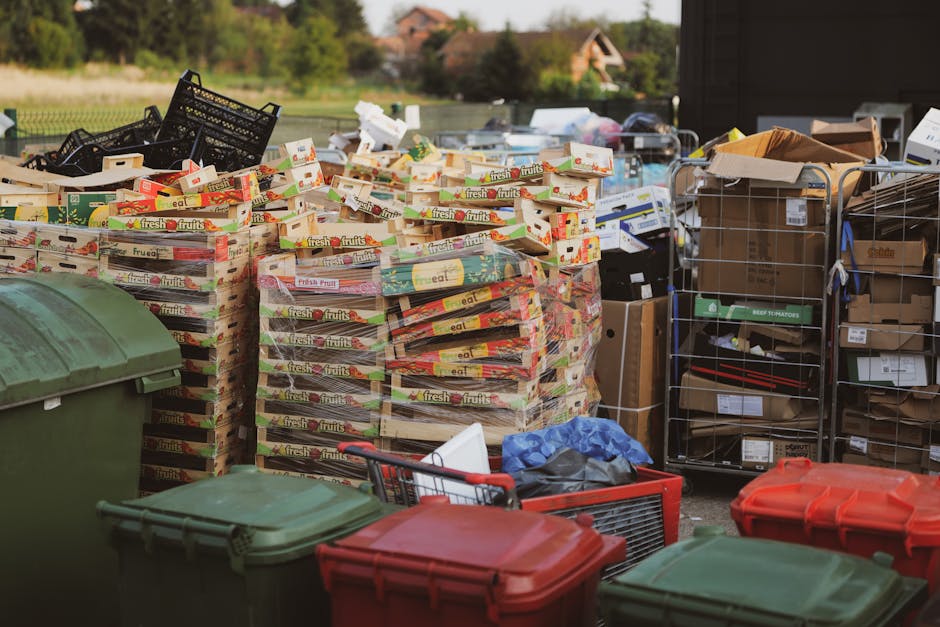
Let's face it: most people do not think about permits until they are already standing in a hallway with an old wardrobe, a cracked sink, or enough black bags to make the front step look like a mini landfill. That is usually the moment the questions start. Can this be left outside? Do I need permission? Will the council treat this as fly-tipping if I do it wrong?
That is why this topic matters. A permit is not just a box-ticking exercise. It can affect whether your waste is collected smoothly, whether your contractor can legally load near the property, and whether your neighbours are inconvenienced by blocked access or messy overspill. In dense parts of Highbury, where parking is tight and loading space can disappear in minutes, a small planning mistake can turn a simple job into a stressful one.
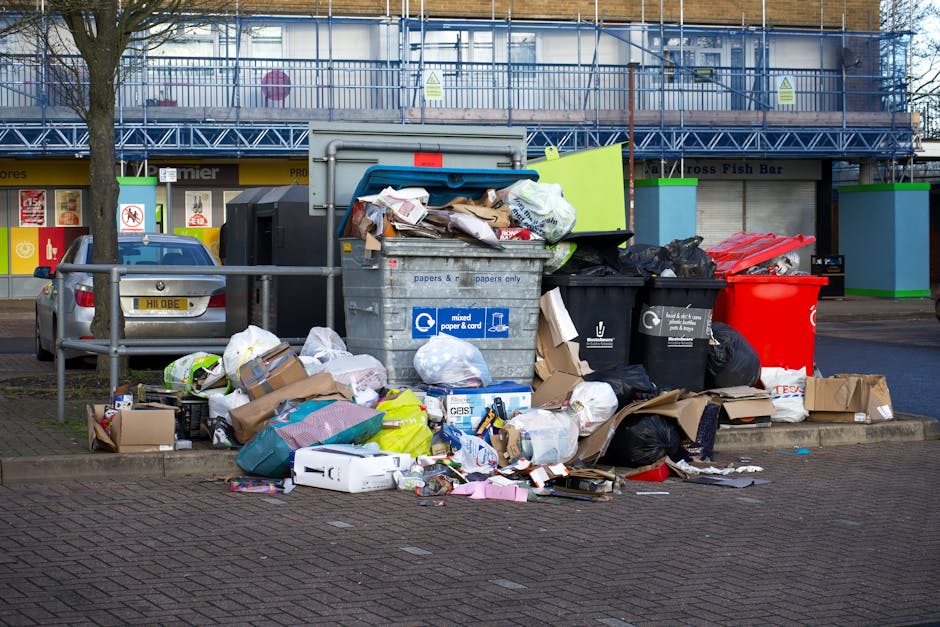
There is also a bigger issue behind all of this: accountability. The council wants waste handled properly, and residents want streets to stay clean. Nobody wants a fridge left on the kerb all weekend with a rain-soaked mattress beside it. Not a great look, and not great for safety either.
If your project involves a bigger clear-out or construction debris, it may be worth looking at builders waste disposal in Highbury as well, because renovation debris often triggers different practical considerations from a standard household tidy-up.
Quick takeaway: if your rubbish will sit on or affect a public road, pavement, verge, or shared access space, pause and check the rules before you place it there. That small pause can prevent a much larger headache.
How Rubbish disposal permits Highbury Islington Council explained Works
In simple terms, a permit is formal permission for a specific activity that affects public space. In rubbish terms, that usually means placing something in a road, on a pavement, or in another area that the public or council manages. The exact permissions can depend on the type of waste, the location, the vehicle used, and how long the waste or container will remain there.
People often confuse three different things:
- A council permit for using public space or a skip on the road.
- A licence or authorisation held by a waste carrier or contractor.
- Simple collection arrangements where the waste is taken directly from private property without needing public access permissions.
That distinction matters. If a company is loading waste from a driveway or from inside your home, that is one thing. If a skip, bag, or pile of waste is left on a shared pavement, that is another. In many cases, the real issue is not the rubbish itself but where it is positioned while waiting to be removed.
In practical use, permit rules may affect things like:
- skip placement on the road or near the kerb
- temporary suspension of parking bays or loading areas
- use of controlled access zones or narrow streets
- time windows for loading and unloading
- how long waste can remain in a public area
If you are unsure whether your job needs a permit, think through one question: will anything sit on public land, even briefly, while the rubbish is being removed? If the answer is yes, you should be checking carefully.
For people working around basements, stairwells, and awkward access routes, this is especially relevant. A collection that looks simple on paper can become difficult fast once items need to be carried through tight passages or out onto the street. Our page on basement and stair access rubbish removal solutions covers the sort of access issues that often affect permit planning too.
Key Benefits and Practical Advantages
Getting this right is not just about avoiding a fine or a complaint. There are some very real practical advantages, and they are easy to overlook when you are focused on clearing space quickly.
1. Fewer delays on the day
When permissions are sorted in advance, crews can work without stopping to solve access problems. That matters if you are on a tight moving schedule, have contractors waiting, or simply do not want to spend a Saturday morning staring at a pile of waste and wondering what now?
2. Cleaner streets and less friction with neighbours
No one likes seeing rubbish blocking a pavement or touching a shared entrance. A proper plan keeps the site tidy and reduces complaints. To be fair, that alone can make a stressful job feel much more manageable.
3. Better safety
Permits and proper loading arrangements help reduce trip hazards, blocked sightlines, and awkward vehicle positioning. That matters in busy residential streets where people are walking dogs, pushing prams, or carrying shopping bags on a damp evening.
4. More accurate budgeting
Permit-related costs, where they apply, are easier to absorb when they are known upfront. It is far better to plan the full picture than to discover late on that extra admin or access arrangements are needed. If you want to keep the rest of the job transparent too, see how to avoid hidden rubbish clearance charges.
5. Less risk of choosing the wrong removal method
Some jobs are better handled as a direct collection from the property, while others work better with a temporary container or a scheduled removal slot. Once you understand the permit side, it becomes much easier to choose the right option. That is the sort of thing people only appreciate after the second or third clear-out, usually with a slightly weary expression.
Who This Is For and When It Makes Sense
This topic is relevant to a wider range of people than most expect. It is not just for builders or landlords. In fact, some of the most common situations are everyday domestic ones.
Homeowners and tenants
If you are clearing old furniture, damaged white goods, loft clutter, or the contents of a spare room, you may not need any permit at all if everything is collected from private land. But if waste is being staged outside, or if access is restricted and the only sensible holding point is the street, it is worth checking the rules carefully.
Landlords and letting agents
End-of-tenancy clear-outs can move quickly, especially where a property needs to be turned around for new occupants. If a skip, large van, or temporary stacking area is involved, permissions may become relevant sooner than expected. If you manage a difficult handover, our guide on emergency rubbish removal after eviction may also be helpful.
Builders and renovators
Construction waste is often bulky, dusty, and not easy to store neatly. Bricks, timber offcuts, old kitchen units, plasterboard, and tile waste all need careful handling. A permit can become part of the plan if the site has limited access or if removal has to happen from the street side.
Business owners and office managers
Office clearances often involve old desks, monitors, chairs, filing cabinets, and packaging waste. If the building has shared corridors, loading bays, or busy front-of-house access, it may be worth checking whether a permit, bay suspension, or other arrangement is needed. Our office clearance Highbury page is a useful starting point for that kind of job.
Event organisers and one-off movers
One-off events, pop-up setups, and moving days can all generate odd volumes of waste at awkward times. That is where planning matters most, because the line between "temporary clutter" and "public obstruction" is thinner than people think.
Step-by-Step Guidance
If you want a sensible way through the process, keep it simple and methodical. Rushing usually causes the mistake.
- Identify where the waste will actually sit. Inside the property? On private land? On the road? On a shared access path? This first step does most of the heavy lifting.
- List the waste type and volume. Household rubbish, garden cuttings, furniture, and construction debris can all require different handling decisions.
- Check access constraints. Narrow streets, basement stairs, controlled parking, and busy school-run times all influence what is realistic.
- Decide whether the job needs a permit or just a collection plan. Sometimes the answer is simply a direct load-out. Other times, public-space use needs permission.
- Speak to the council or a qualified waste provider early. Do not leave this until the night before. That is when things get messy, and not in a fun way.
- Confirm timings and responsibilities in writing. Who arranges what? Who is responsible if parking restrictions apply? Get clarity before the day arrives.
- Keep the site tidy and accessible. Even a permitted setup should be safe and well managed. Stack sensibly, avoid overflow, and leave enough room for people to pass.
A small real-world example: someone clearing a flat near a busy Highbury street might think they can leave a few bags outside the door for "just an hour." But if those bags sit on shared pavement space while they are upstairs fetching more items, they can cause obstruction or complaints very quickly. It is not dramatic. It is just how busy streets work.
Expert Tips for Better Results
Here is the useful stuff that usually comes from actually doing these jobs rather than reading about them.
Plan around peak traffic and footfall. In Highbury, a collection that works at 10 a.m. on a Tuesday may be a nuisance at 5:30 p.m. on a Friday. Timing affects everything, from access to neighbour patience.
Be honest about the volume. People often underestimate waste by a lot. Two rooms of clutter can turn into three van loads once broken down. It happens all the time. Better to size it properly from the start.
Separate recyclable items where possible. Not only does this support better disposal practice, it can also simplify the job on the day. Mixed waste is slower to process and more awkward to sort.
Think about lifting and access before you think about permits. A permit is one piece of the puzzle, not the whole picture. Tight staircases, basement steps, and long carries can affect whether a simple street-side setup is even worth considering.
Ask one practical question before booking: "What will this look like when the collection vehicle arrives?" If the answer involves traffic cones, blocked doors, or waste spread across the kerb, you probably need a better plan.
And a slightly less formal tip: keep a torch handy if you are clearing a cellar or dim hallway early in the morning. Sounds obvious, but people forget. Then everyone is squinting at a broken shelf leg wondering where the other half went.
Common Mistakes to Avoid
Most permit problems come from assumptions. The bad news is that assumptions are quick. The good news is that they are usually easy to correct.
- Assuming a small pile does not count. Even a modest amount of waste can create a public-space issue if it is placed badly.
- Leaving waste out "temporarily". Temporary can turn into visible clutter very fast, especially in a busy neighbourhood.
- Forgetting parking and access. A permit for the waste does not automatically solve vehicle parking or loading restrictions.
- Mixing waste types without thinking. This can complicate collection and, in some cases, disposal planning.
- Booking too late. Last-minute arrangements often lead to narrower options and more stress.
- Not checking who is responsible. In some jobs, the property owner, tenant, landlord, or contractor may each assume someone else has handled the permit side.
- Choosing the cheapest option without checking compliance. Cheap is not a win if it creates a street issue or an avoidable delay.
Truth be told, one of the biggest mistakes is not the permit itself. It is thinking there will be time to sort everything on the morning of the job. There usually isn't.
Tools, Resources and Recommendations
You do not need a complicated system to manage this properly. A short checklist, a phone camera, and a basic plan are often enough.
- Photos of the waste so you can estimate size and type accurately.
- Notes on access such as steps, narrow passages, parking bays, or loading points.
- Measurements of large items like wardrobes, fridges, or desks.
- A simple timeline showing when waste will be ready and when it needs to go.
- Any property or building restrictions that affect where items can be placed.
If you are comparing services, the page on pricing and quotes is a sensible read because transparent pricing goes hand in hand with permit planning. It also helps to understand how your payment and booking flow works, so payment and security information can be worth a glance too.
For the environmentally minded, our recycling and sustainability approach explains the sort of sorting and reuse principles that should sit behind any decent waste job. Good disposal is not only about moving rubbish out. It is about moving it responsibly.
Law, Compliance, Standards, or Best Practice
When rubbish disposal touches public land, highways, or shared access, compliance matters. The exact rules can vary by the type of waste, the street, and the local circumstances, so it is best to avoid blanket assumptions. A permit may be required where a skip or waste storage occupies public space, and waste carriers should be properly authorised for the work they undertake.
In everyday terms, the safest best practice is simple:
- do not place rubbish where it blocks pedestrians or vehicles
- do not leave waste unattended on public land without checking permission
- use a properly insured and competent waste removal provider
- keep records of what is being collected and when
- treat shared entrances, pavements, and road space with care
This is also where public safety and insurance come into the picture. If a pile of waste creates a trip hazard or blocks visibility, the problem is no longer just logistical. It becomes a safety concern. You can see how we approach those issues on our insurance and safety page.
Best practice is not about being over-cautious for the sake of it. It is about making sure the job is tidy, defensible, and easy to complete. If a clear-out is on the edge of needing permission, treat that as your signal to slow down and check properly.
Options, Methods, or Comparison Table
Depending on the job, there are usually a few ways to deal with waste. The right one depends on access, volume, timing, and whether public space is involved. Here is a simple comparison.
| Method | Best for | Pros | Things to watch |
|---|---|---|---|
| Direct collection from inside the property | House clearances, small to medium loads, easy access | Often simpler; less need for public-space arrangements | Can be slower if stairs or narrow access are involved |
| Roadside skip or container | Larger renovation jobs or ongoing projects | Handles substantial waste; convenient for staged clear-outs | May involve permit checks, space restrictions, and timing rules |
| Man-and-van style clearance | General household or office waste, urgent removals | Flexible; usually quick to arrange | Needs clear access and accurate waste description |
| Phased removal over several trips | Large property clearances with awkward contents | Reduces congestion; easier to plan around access | Requires careful scheduling and clear communication |
For many Highbury properties, direct collection is the cleanest answer. For others, especially jobs with a lot of builder's waste or space limitations, another method makes more sense. The trick is to match the method to the street, not just to the rubbish. That sounds obvious. It often is not, in practice.
Case Study or Real-World Example
Here is a realistic scenario. A homeowner in Highbury is renovating a kitchen and wants the old units, tiles, and packaging gone quickly. The property has a narrow front path, no driveway, and limited room for storage inside. At first, they consider leaving the waste outside the front door while the builder loads up later in the day.
That plan looks easy on paper. In reality, it creates three problems. First, it uses shared access space. Second, it could obstruct pedestrians. Third, it leaves a clear legal and safety question hanging over the job. Instead, the better route is to confirm what permission is needed for any street-side holding area, or choose a direct on-site removal that keeps everything moving through the property and out in one go.
In this kind of job, the value of planning is obvious. The homeowner avoids stress, the builder works more efficiently, and the street stays clear. No one is tripping over chipboard at lunchtime. Everyone wins, more or less.
We see a similar pattern in busy local streets near landmarks and transport points, where timing and access are everything. Our articles on rubbish removal near Emirates Stadium and Highbury pickups around Holloway Road Station show how location-specific access can change the whole plan.
Practical Checklist
Use this before booking or placing anything outside.
- Have I checked whether any waste will touch public space?
- Do I know the type and approximate volume of rubbish?
- Have I measured large or awkward items?
- Is access from the property straightforward, or are there stairs and narrow corridors?
- Will parking, loading, or waiting restrictions affect the job?
- Do I need permission for a skip, bay suspension, or roadside staging?
- Have I spoken to the provider about safety and insurance?
- Is there a better way to remove the waste directly from the property?
- Do I know when the waste must be gone by?
- Have I kept a record of the plan in writing?
If you tick all ten, you are in a much better place. If not, slow down. Better to spend ten minutes planning now than an afternoon apologising later.
You can also review house clearance services in Highbury if your project is a full-property clear rather than a single-load collection, and waste removal in Highbury if you want a broader overview of what can be handled.
Conclusion
Rubbish disposal permits may sound like admin, but in real life they are really about access, safety, and keeping the job tidy. Once you understand where the waste is going, what space it uses, and how long it will be there, the decision becomes much easier. That is the heart of Rubbish disposal permits Highbury Islington Council explained: know the setting first, then choose the removal method that fits it.
For many jobs, the answer will be simple. For others, especially where roads, pavements, shared entrances, or bulky waste are involved, a little extra checking can prevent a lot of unnecessary friction. And honestly, that is time well spent.
Whether you are clearing a flat, managing a renovation, or sorting out a business premises, the safest approach is always the same: plan early, keep it legal, and leave the street better than you found it. That feels good at the end of the day.
For a little more background on the company and how we work locally, you can also visit about us and your rubbish removal needs to see how different jobs are handled.
Get a free quote today and see how much you can save.

From a young age, Blair has cultivated a passion for order, which has now matured into a prosperous profession as a waste removal specialist. She derives satisfaction from transforming disorderly spaces into practical ones, aiding clients in conquering the burden of clutter.
 Tipper Van - Rubbish Collection and Rubbish Clearance Prices in Highbury, N5
 Luton Van - Rubbish Collection and Rubbish Clearance Prices in Highbury, N5