Waste removal Highbury Barn Market and surrounding streets
Posted on 29/05/2026
Waste removal Highbury Barn Market and surrounding streets: a practical local guide
Sorting out Waste removal Highbury Barn Market and surrounding streets is rarely just a matter of "getting rid of some rubbish". Around Highbury Barn Market, you've got a lively mix of homes, independent shops, food spots, terraces, side streets, and the usual London squeeze on space. That means waste can build up quickly, block access, attract complaints, or simply become one more thing hanging over your head. Not ideal.
This guide explains how local waste removal typically works, what to expect, what to avoid, and how to choose the right approach for homes, shops, landlords, trades, and anyone dealing with bulky clutter. Whether you're clearing after a renovation, dealing with a garden pile, emptying a flat, or simply need a one-off uplift, the aim here is simple: make the process feel manageable, not messy.
If you're comparing services, it can also help to look at the wider range of waste and clearance services in Highbury, or narrow down a specific job such as general rubbish clearance or waste removal across the local area.
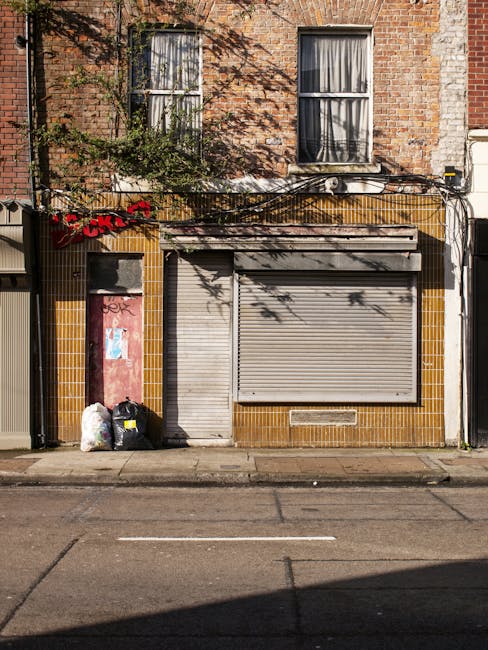
Why Waste removal Highbury Barn Market and surrounding streets Matters
Highbury Barn Market has a character all its own. It's one of those places where daily life moves quickly: deliveries arrive, households cycle through renovations and decluttering, shops refresh stock, and social spaces generate the occasional pile of packaging or post-event mess. In surrounding streets, that rhythm is even more noticeable because access can be tighter, parking can be awkward, and a small pile of waste can suddenly feel like a big obstacle.
Good waste removal matters here for several reasons. First, there's the obvious visual side. Nobody wants bags, broken furniture, cardboard towers, or builder's rubble hanging around on a narrow pavement. Second, there's practical access. In busier residential streets, waste left too long can block bins, front steps, alleyways, or shared entrances. Third, there's the neighbour factor. In a close-knit area, delays and overspill can lead to complaints faster than you'd think. A small issue can turn into a recurring nuisance.
There's also a property angle. If you're preparing a flat for sale or letting, or you've just taken over a space, clearing waste quickly can make the difference between a smooth handover and a stressful week of chasing loose ends. That's one reason many owners and landlords keep a trusted local service in mind, especially if they're already thinking about house clearance in Highbury or even a broader bespoke rubbish removal solution.
In a busy local area, waste removal is not just tidying up. It's about keeping homes accessible, streets usable, and day-to-day life moving without faff.
Truth be told, most people only think about waste when it starts causing friction. But the best results usually come from handling it before it spreads, smells, blocks access, or becomes a weekend job nobody wants.
How Waste removal Highbury Barn Market and surrounding streets Works
Although every job is different, the process is usually quite straightforward. The main difference is how much planning is needed for access, timing, and sorting. In a local market-and-streets setting, that part matters more than people expect.
Typical flow of a local waste removal job
- Assess what needs to go. This could be mixed household junk, garden cuttings, builders' waste, office furniture, or a single bulky item.
- Check access and timing. On tighter streets, arrival windows, parking, stair access, and loading points all matter.
- Separate special items. Some materials may need different handling, such as electricals, mattresses, metals, or reusable furniture.
- Load safely and efficiently. Good crews plan the route from property to vehicle to reduce disruption.
- Sort for reuse, recycling, or disposal. Responsible waste removal is not just "throw it away"; it often involves separating recyclable material where possible.
For some jobs, the work is light and fast. A few black bags, a broken wardrobe, and some packaging may be cleared in a short visit. For larger jobs, such as a full flat clearance or post-refurb builder waste, the process can be more involved. That's where service-specific support matters, for example builders' waste disposal in Highbury or office clearance if you're dealing with commercial premises.
A lot of people ask whether they need to sort everything first. Not always. A good waste removal service can often help assess the load on arrival. Still, the more you pre-sort obvious items, the faster and cleaner the job tends to be. Saves time. Saves arguments. Very London, really.
Key Benefits and Practical Advantages
People usually call for waste removal because they want a problem solved quickly. Fair enough. But there are several practical benefits that go beyond convenience.
1. Faster restoration of usable space
One of the biggest wins is reclaiming your space. A hallway full of boxes, a back yard stacked with broken furniture, or a shop storage room jammed with old stock can make everyday tasks harder than they should be. Once removed, the whole place feels lighter and more workable.
2. Less stress during busy periods
In areas near Highbury Barn Market, everyday schedules can already feel full. Add a move, refurbishment, event clean-up, or sudden clutter issue, and the stress climbs quickly. Waste removal gives you one less moving part to worry about. That peace of mind is not small. Not at all.
3. Better presentation for homes and businesses
For property sales, rentals, or customer-facing spaces, appearance matters. A tidy frontage and clutter-free interior can make a real difference. If you're preparing to move on a property or improve its appeal, you may also find the local guides on buying or selling property in Highbury and Highbury property investment useful for wider context.
4. Better handling of mixed waste streams
Many households and businesses don't have one neat pile of waste. They have a mix: old furniture, cardboard, packaging, broken fixtures, garden trimmings, and a few bits that need separate handling. A good service can deal with that mixed reality without forcing you to make five trips to somewhere else.
5. Reduced risk of missed bins and nuisance overflow
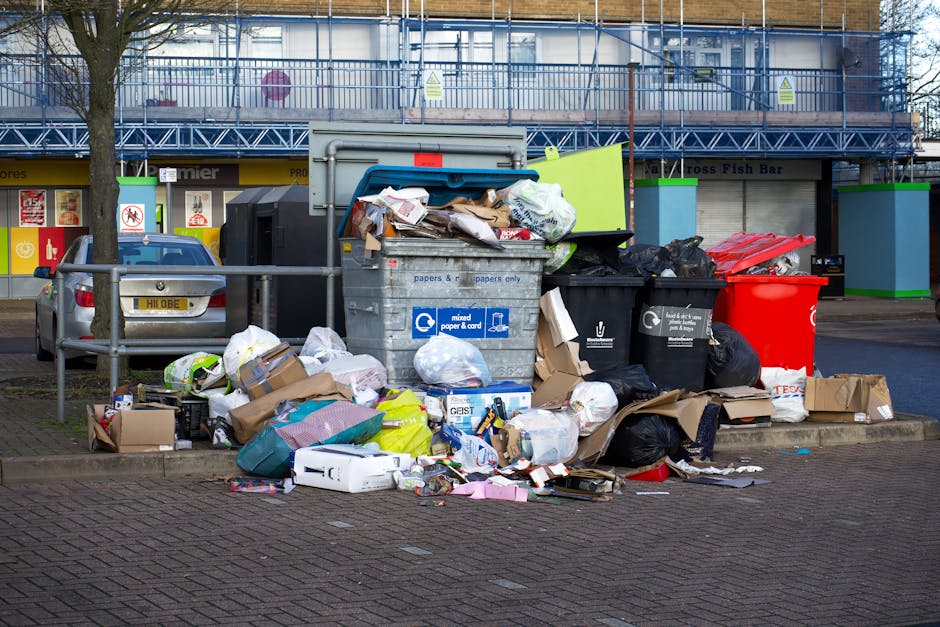
Overflowing bins and unmanaged waste can attract pests, cause odours, and create a bad impression. That's especially true in warm weather, after events, or during busy trade periods. Regular, sensible clearance helps keep the area more comfortable for everyone.
| Situation | What local waste removal helps with | Why it matters in Highbury Barn area |
|---|---|---|
| Flat clear-out | Furniture, bags, mixed household items | Prevents stairwells and pavements becoming blocked |
| Shop or cafe refresh | Packaging, old fixtures, storage clutter | Keeps customer areas clean and presentable |
| Garden tidy-up | Soil, branches, cuttings, old planters | Reduces mess in narrow shared access spaces |
| Renovation work | Plaster, timber, tile, rubble, offcuts | Stops waste building up around a live property |
Who This Is For and When It Makes Sense
This kind of service is useful for more people than you might think. It's not just for big house clearances or obvious building jobs. Often it's the smaller, in-between situations that create the most hassle.
Homeowners and tenants
If you're moving, redecorating, downsizing, or clearing out a spare room that somehow became a storage cave, waste removal can help you reset the space without having to hire a van, borrow favours, or spend a Sunday in a recycling queue. We've all been there. The "I'll deal with it later" pile has a habit of multiplying.
Landlords and letting agents
Tenancy changes often reveal leftovers: broken items, abandoned bags, old bedding, or general clutter. A quick clearance helps you get a property ready for viewings, cleaning, or maintenance. If the job is substantial, a dedicated house clearance service may be the cleaner option.
Small businesses and offices
Highbury's commercial spaces can need occasional refreshes, especially after refurbishments or stock rotation. Desks, shelving, printers, packaging, and old furniture can build up quietly until one day the storage cupboard is doing far too much work. In those cases, office clearance in Highbury is often the most practical route.
Tradespeople and property contractors
Builders and decorators need reliable, timely waste removal because leftover rubble or offcuts can slow down the next stage of work. A clear site is safer and easier to hand over. For that, you'll usually want support aligned with builders' waste disposal rather than generic rubbish collection.
Garden owners and shared courtyards
Gardens in and around Highbury can produce more waste than people expect: branches, hedge cuttings, turf, soil, and old containers all take up space. If you're dealing with a bigger outdoor clean-up, garden waste removal in Highbury is often the sensible route.
Short version: if waste is getting in the way of everyday life, making a place hard to use, or creating pressure on time, it probably makes sense.
Step-by-Step Guidance
If you want the smoothest possible experience, the job usually goes better when you approach it in order rather than as one giant rush.
- Identify the waste type. Is it household rubbish, garden material, builders' waste, office junk, or mixed items?
- Estimate the volume. A few bags, a van load, or multiple loads? You don't need to be exact, just realistic.
- Check access carefully. Note stairs, narrow hallways, gated entrances, parking limits, and loading restrictions.
- Separate anything sensitive. Keep documents, valuables, personal photos, and items you may want to reuse away from the clearance pile.
- Ask about sorting and recycling. It's worth understanding how reusable or recyclable items will be handled.
- Confirm the timing. Morning, afternoon, same-day, or timed around trading hours if you're a business.
- Prepare the area. Move small items into one place if possible, clear a path, and make the load easy to access.
- Review the final result. Check the cleared space before the crew leaves so anything missed can be addressed straight away.
A useful tip: if you're not sure whether something counts as rubbish, reuse item, or bulky waste, set it aside and ask during the assessment. People often overthink this. Don't. A practical on-site decision usually beats second-guessing at home with a tape measure in one hand and a phone in the other.
Expert Tips for Better Results
These are the small things that make a big difference. Nothing flashy, just the habits that keep a job efficient and less stressful.
- Group similar items together. Put wood with wood, cardboard with cardboard, soft furnishings in one place, and garden waste in another if you can.
- Keep access clear. A clear route from front door, lift, or garden gate speeds everything up.
- Don't hide heavy items. If there's a wardrobe or rubble pile tucked behind lighter waste, mention it upfront. Surprises slow everyone down.
- Think about timing around neighbours. Early mornings, school runs, and busy market times can all affect access and noise.
- Be honest about awkward items. Broken glass, sharp edges, soaked materials, or heavy plant pots should be flagged early for safety.
Another good habit is to compare the end goal, not just the pickup. Are you clearing to sell, to renovate, to reopen, or simply to breathe again? That answer helps shape the right service. If your project involves sustainability-minded disposal, the page on recycling and sustainability is a useful companion read.
And yes, sometimes it's the little jobs that become the biggest headache. One pile in the corner. Then another. Then, somehow, you've got three categories of "stuff" and no floor left. Funny how that happens.
Common Mistakes to Avoid
Most waste removal problems are preventable. Usually they come from rushing, underestimating access, or not being clear about what needs to go.
Leaving it too late
If waste is linked to a move, tenancy change, event, or building work, leaving clearance until the last minute can force you into poor choices. You may end up paying for urgency, or working around a mess that should have gone earlier.
Guessing the volume wildly
A rough estimate is fine. A wild guess is not. If you understate the amount, the plan may not work as smoothly. Better to be a bit generous and let the provider help refine the estimate.
Forgetting access constraints
In surrounding streets near Highbury Barn Market, access can be the make-or-break detail. No parking plan, no loading access, no clear route through shared areas? That's where delays happen.
Mixing restricted items without warning
Some waste needs special handling. If you've got anything unusual, say so early. That includes items with sharp edges, electrical equipment, or materials that may need separate sorting.
Not checking what happens to reusable items
Some people just want things gone. Others prefer the most sustainable route possible. Neither is wrong, but it helps to know how the service handles items that could be reused, recycled, or donated where appropriate.
Small reality check: the cheapest-looking option is not always the best value if it creates delays, extra trips, or unclear disposal. That part catches people out more than they'd like to admit.
Tools, Resources and Recommendations
You do not need specialist equipment for most clearances, but a few simple tools and habits make the job easier. Think practical, not fancy.
- Basic labels or tape. Mark items as keep, donate, recycle, or remove.
- Strong bags or boxes. Good for lighter mixed items and loose packaging.
- Gloves and sturdy footwear. Useful if you're moving items around before the clearance team arrives.
- Phone photos. Handy for sending a quick visual overview when asking for a quote.
- Lift or doorway measurements. If large items need to pass through tight spaces, a quick measurement can avoid awkward surprises.
For planning, the most useful resources are often the service pages themselves. If you're unsure what category your job falls into, start with your rubbish removal needs and then branch to the relevant specialist page. If you want to understand the company background and approach first, the about us page is worth a look too.
It also helps to review the practical side of quotes and service terms before booking. The pages on pricing and quotes, payment and security, and insurance and safety can answer a lot of the common "how does this work?" questions without any guesswork.
Law, Compliance, Standards, or Best Practice
Waste removal isn't just a practical job; it sits inside a wider framework of responsible handling, safe transport, and proper disposal. The exact legal duties depend on the waste type and who generated it, so it's best to keep things simple and sensible rather than pretending every job is the same.
As a general rule, good practice means waste should be handled safely, transferred responsibly, and taken only to appropriate disposal or recycling destinations. If you're a business, landlord, or contractor, you should be especially careful about how waste is stored, documented, and passed on. If you're a homeowner, the main thing is to choose a provider who explains what they do clearly and handles waste in a professional way.
In practical terms, that means looking for the following:
- clear explanations of what is and is not included
- safe loading practices
- proper treatment of mixed materials
- appropriate attention to reusable and recyclable items
- transparent terms rather than vague promises
If you're working on a building project, builders' waste disposal deserves special care because sharp material, dust, rubble, and awkward loads can create both safety and access issues. It's one of those areas where "quick and tidy" needs to mean something real, not just a marketing line.
For readers who care about the bigger picture, the local sustainability approach is also worth considering. A service that separates useful material from general rubbish can reduce avoidable disposal and keep the process more responsible overall.
Options, Methods, or Comparison Table
Not every clearance needs the same method. Sometimes a single-item pickup is enough. Sometimes you need a proper team, especially if the job involves awkward access, bulky furniture, or a mixed pile from a renovation.
| Method | Best for | Pros | Watch-outs |
|---|---|---|---|
| Self-clearance | Very small loads, flexible timings | Direct control over sorting | Time-consuming, vehicle access, lifting strain |
| Skip hire | Longer projects with steady waste output | Useful for ongoing work | Space, permits, loading responsibility |
| Man-and-van clearance | Mixed household or business waste | Fast, flexible, less physical effort for you | Needs accurate description of load and access |
| Specialist clearance | Builders' waste, office clearance, house clearance | Better suited to specific material types | Choose the right service for the job |
In a place like Highbury Barn and the surrounding streets, man-and-van style clearance is often the sweet spot for convenience, but not always. If the waste is heavy, ongoing, or highly specific, a specialist route can be more efficient in the long run.
Case Study or Real-World Example
A local example: imagine a small terraced property near Highbury Barn Market where the owners have just finished repainting, replacing a few pieces of furniture, and clearing out the back garden. By the weekend, the front room has packaging, the hallway has an old armchair, and the garden has bags of cuttings plus a broken planter that keeps shedding bits onto the path.
If they try to manage it in stages themselves, they may end up doing repeated lifts, struggling with parking, and leaving part of the mess for another day. That's usually where the job becomes more annoying than difficult. A structured clearance solves it in one visit, which means the property can be used properly again. The hallway opens up, the garden feels calmer, and the whole place stops looking halfway-finished.
What worked best in that kind of scenario? A quick assessment of the items, a clear route from house to vehicle, and a decision on what was reusable versus what needed disposal. Nothing dramatic. Just sensible planning, which is often the difference between a tidy finish and a long drag.
It's also the sort of job where property owners appreciate having a nearby service that understands the area and the practical realities of local streets. If the clearance is part of a larger move or sale, pairing it with local property planning content such as what locals say about living in Highbury can help you think through the wider picture, not just the waste pile.
Practical Checklist
Use this checklist before booking or starting your clearance. It keeps things simple and reduces avoidable delays.
- Identify the main waste type: household, garden, office, or builders' waste
- Estimate how much needs removing
- Check whether large items can fit through doors, halls, or gates
- Confirm where the waste is located: front, rear, basement, loft, shop floor, or storage room
- Set aside valuables, personal documents, and items to keep
- Group obvious recyclables if practical
- Flag anything unusual, heavy, sharp, or potentially hazardous
- Think about timings around neighbours, customers, or deliveries
- Ask about what happens to reusable and recyclable materials
- Review pricing, access details, and payment preferences before the visit
If you're dealing with a larger or more sensitive clearance, it can also be worth reviewing the service's approach to safety and responsibility. A few minutes upfront often saves a lot of "oh, I didn't realise that" later on.
Get a free quote today and see how much you can save.
Conclusion
Waste removal around Highbury Barn Market and the surrounding streets works best when it is local, practical, and planned around real-life constraints. Tight access, mixed waste, busy days, and the need for a clean finish all shape the job. The good news is that once you break it down properly, it becomes much less daunting.
Whether you are clearing a home, refreshing a business, handling garden waste, or tidying up after building work, the right approach saves time and makes the whole place feel calmer. And honestly, that feeling of opening a door to a clear room after days of clutter? Still a lovely thing.
For the next step, start by matching your needs to the right service, check the practical details, and keep the process simple. A well-handled clearance does more than remove rubbish. It gives the space back to you.

From a young age, Blair has cultivated a passion for order, which has now matured into a prosperous profession as a waste removal specialist. She derives satisfaction from transforming disorderly spaces into practical ones, aiding clients in conquering the burden of clutter.
 Tipper Van - Rubbish Collection and Rubbish Clearance Prices in Highbury, N5
 Luton Van - Rubbish Collection and Rubbish Clearance Prices in Highbury, N5